


This week, borderless life comes with a scoreboard. Countries compete for relocators, airlines reward a million miles, and travellers chase the places with the fewest visitors. Somewhere between “nonnamaxxing” and passport flexing sits the question running through this edition: What makes a journey worth taking?

TRAVEL TRENDS
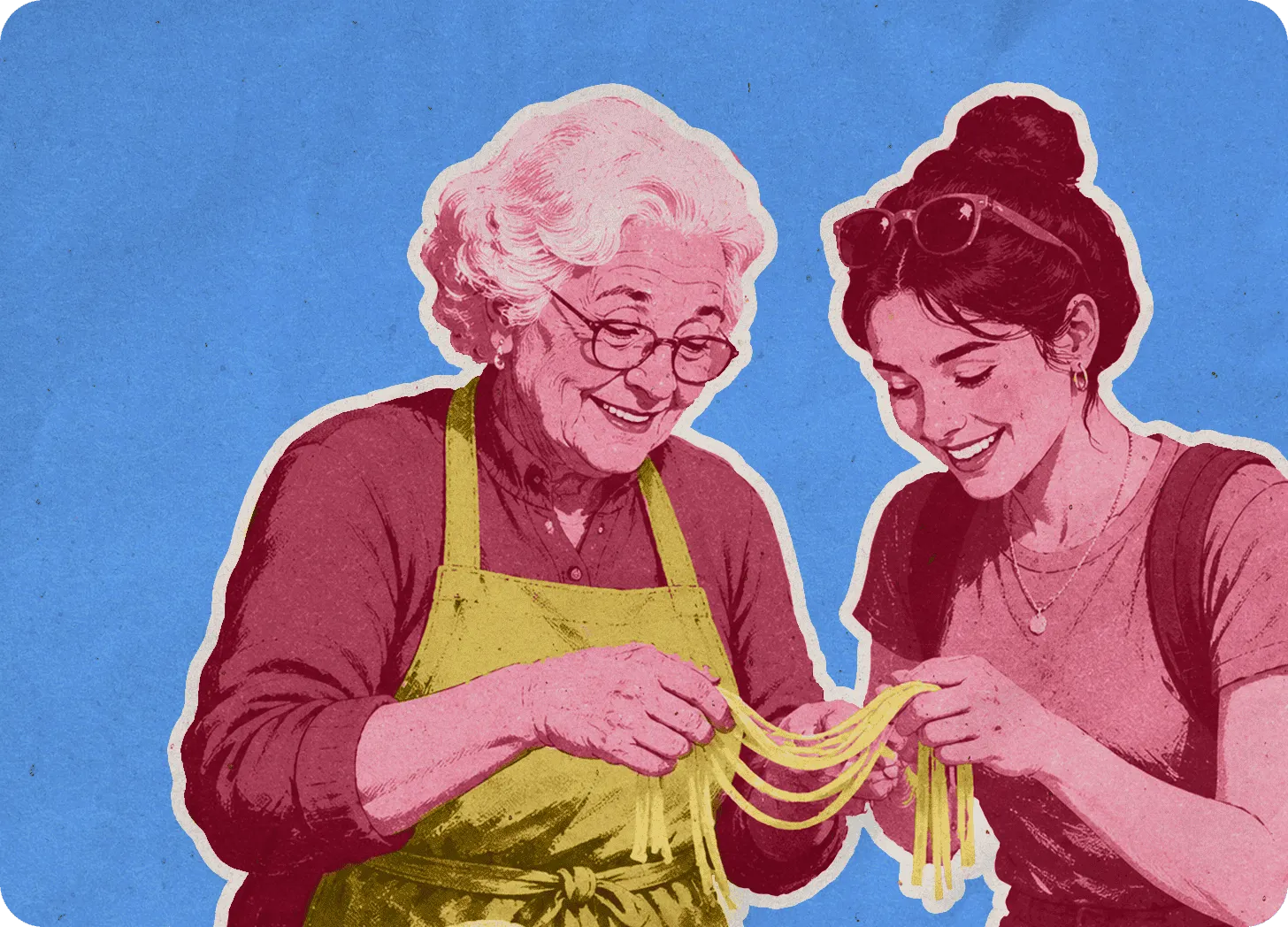
👵 Grandma tourism goes global with “nonnamaxxing”
From pasta-making with Italian nonnas to sightseeing with Japanese sobos, the internet’s grandma obsession has left the feed and entered the itinerary.
Emily-Ann Elliott for BBC Travel
GLOBAL MOBILITY
🗺️ Malaysia for nomads, Estonia overall
The “best” country to move to depends on whose life is being moved. A new index builds different leaderboards for nomads, families, retirees, entrepreneurs, and tax-conscious relocators.
Roisin Teeling for Time Out

P.S. The faster you answer, the higher you are on the leaderboard.
TRANSPORT
✈️ Airline loyalty has a final boss
One United loyalist spent about $230,000 and 17 weeks in the air on his way to four million miles. The reward is elite treatment for life; the journey turns airline loyalty into an endurance sport.
Katherine Fan for AFAR
TRAVEL TIPS
🇲🇷 Off the beaten track, but actually
Fewer than 10,000 international travellers visit Mauritania each year. The story behind that number runs through trans-Saharan caravan cities, ancient family libraries, and a fishing fleet visible from space.
Jordi Busqué for BBC Travel
GLOBAL CULTURE
🗣️ The internet keeps inventing languages
Hundreds of languages have gone extinct since 1960. Now Discord slang, specialist jargon, and “conlangs” are sending linguistic diversity in a strange new direction.
Karson Elmgren for Asterisk
NOMAD LIFESTYLE
🌍 Your passport stamps are not a personality
Country counts, flag emojis, bucket lists. When destinations become another way to prove we’re interesting, do we stop paying attention to the places themselves?
Kat for The Story Road

🇲🇦 Rihla: bring back more than proof you went
The Arabic rihla tradition turned journeys, often for pilgrimage or study, into detailed accounts of places, people, and customs. Travellers recorded what they encountered so others could learn from it. A passport stamp marks where you went; a rihla shows what you understood.
Further reading: The Travels of Ibn Battuta by Ibn Battuta